
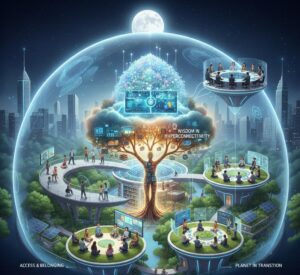
Across the world, education is undergoing a profound transformation, and higher institutions face pressures from several fronts, namely rising inequality, shifts in digital behaviour, mental-health crisis among youth, sustainability demands, and the need for able and effective leadership in increasingly complex environments.
The traditional (linear and examination-driven) models of instruction today appear inadequate in preparing students for a volatile and interconnected world.
Modern institutions are confronted with the need to evolve into a human-centred (designing the institutional system around the needs, well-being, growth, and experience of the learner), future-oriented learning ecosystem, grounded in principles of equity, resilience, digital literacy, inclusive governance (teachers, students, administrators, and sometimes community partners), and sustainability.
This article joins institutions in rethinking their core design and mission.
- Equity and Inclusion: Redesigning Education for Access and Belonging
Equity today goes far beyond admitting diverse students. Institutions should aim to create learning environments where students can participate effectively and feel supported in their academic growth, while maintaining clear expectations around conduct, responsibility, and respect for institutional norms.
Inclusive Learning Design
- Inclusive learning requires redesigning curriculum, assessment, and campus environments to accommodate diverse cognitive and social needs. At the same time, institutions must uphold clear expectations around conduct, responsibility, respect, and discipline to ensure that a supportive learning environment is matched with consistent behavioural standards.
- Universal Design for Learning (UDL) encourages multiple modes of accessing content, engaging with material, and demonstrating understanding, allowing students to learn in ways that match their strengths.
Culturally Responsive Pedagogy
- Institutions should integrate culturally relevant material and multilingual expression where appropriate, as these elements can increase engagement and make learning more relatable. However, such inclusion must operate within the institution’s academic framework and cannot be used to challenge, override, or destabilize established standards, norms, or systems.
- Learning becomes richer when students see aspects of their languages, traditions, and histories reflected meaningfully in the curriculum. At the same time, institutions must ensure that cultural or identity-based content does not become a basis for divisive behaviour, policy exceptions, or disruptions to institutional coherence.
Technology as an Equalizer
- Assistive technologies, digital tools, and blended learning platforms expand access for learners with disabilities, rural backgrounds, or limited resources.
- Mobile-first learning can significantly close the access gap in low-resource environments.
Institutional Barriers Must Be Addressed
- Some gaps in student outcomes may arise from outdated academic practices, inconsistent processes, or institutional rigidity that limits responsiveness to changing learning needs. Identifying these areas allows institutions to improve efficiency and strengthen academic delivery.
- Periodic reviews of academic processes, support systems, and institutional practices can help ensure fairness and functional effectiveness. Any training or policy updates should remain focused on professionalism, clarity of expectations, and consistent application of institutional standards.
- Resilience and Well-Being: Building Campuses that Strengthen the Human Core
The growing complexity of modern life (academic pressure, digital overload, economic anxieties) demands that institutions treat well-being as foundational, not supplementary. While even studies show that supportive environments, emotional stability, and psychological resilience contribute to better student outcomes, institutions should avoid reducing education to measurable success alone. The aim must not be to chase external definitions of achievement but to integrate health, well-being, and balanced personal development as core components of the educational experience.
Supportive Relationships
- Mentorship, peer networks, and teacher-student bonds act as protective factors that buffer stress and enhance engagement.
- Institutions with strong relational ecosystems show lower dropout rates and higher academic performance.
Safe and Inclusive Environments
- Innovation, collaboration, and intellectual risk-taking take place where students experience psychological safety and believe they can express themselves without fear.
- Clear conduct guidelines, respectful campus norms, and well-defined grievance mechanisms help maintain a safe and orderly environment. The focus should remain on behaviour and responsibility, ensuring that all students, regardless of background, interact within a framework that promotes safety, respect, and institutional harmony.
Skill-Building for Resilience
- Programs on emotional literacy, mindfulness, problem-solving, and stress regulation help students build internal strengths.
- These skills transcend the classroom and prepare young adults for professional and societal pressures.
Community and Social Responsibility
- Service-learning, volunteering, and civic engagement cultivate empathy and reinforce purpose-driven learning.
- Students who engage with real-world challenges develop both resilience and social awareness.
- Digital Culture and Youth Formation: Navigating Hyperconnectivity with Wisdom
Students today inhabit a digital-first world. While technology expands learning, it also shapes identity, behaviour, and mental well-being in ways that institutions must understand and respond to.
Digital Fragmentation
- Hyperconnectivity leads to fragmented attention, comparison culture, and increased anxiety among youth.
- Institutions must treat digital behaviour as an essential component of student development, not an external variable.
Authenticity and Identity Challenges
- Social media creates pressures to curate idealized identities, disconnecting students from their real selves.
- Without institutional support, this dissonance can fuel insecurity, loneliness, and emotional burnout.
Towards Responsible & Reflective Digital Use
- Digital-literacy programs should include critical thinking, misinformation awareness, ethical online behaviour, and healthy media practices.
- Balanced digital ecosystems combining online resources with meaningful offline interaction help students achieve healthier engagement.
Leadership Opportunities in the Digital Realm
- Institutions can empower students to lead digital innovation through advocacy, research projects, or civic initiatives.
- Such engagement transforms digital spaces into platforms for creativity, collaboration, and responsibility.
- Sustainability Education: Preparing Institutions for a Planet in Transition
Environmental awareness is no longer an optional subject; it has become a central pillar of global citizenship. Institutions have a responsibility to cultivate ecological literacy and responsible habits aligning with SDGs (Sustainable Development Goals) and national sustainability agendas.
Curriculum Integration
- Sustainability concepts must be embedded across disciplines (science, humanities, commerce, and technology), rather than isolated in environmental studies.
- Case studies, field projects, and interdisciplinary modules help students understand real-world ecological challenges.
Green Campus Practices
- Solar power, water harvesting, waste segregation, and biodiversity initiatives demonstrate institutional commitment.
- Students learn best when sustainability is visible, tangible, and part of daily campus life.
Community Engagement
- Partnerships with local bodies, environmental groups, and NGOs (Non-Governmental Organizations) amplify impact and deepen students’ ecological consciousness.
- Collaborative projects help students translate knowledge into action.
Formation of Ecological Responsibility
- Sustainability education should nurture ethical responsibility and long-term thinking, not just technical knowledge.
- Institutions that model green values shape students who continue those values into society and industry.
- Teacher Development & Institutional Leadership: The Shift from Instruction to Transformation
Education depends on educators who are deeply grounded, professionally equipped, and mission-oriented. Institutions require leadership models that are collaborative, reflective, and responsive.
Professional Development Must Evolve
- Educators should receive ongoing training in inclusive pedagogy, mental-health literacy, digital behaviour insights, and multi-disciplinary teaching.
- Development must move from one-time workshops to continuous, structured formation.
Collaborative & Participatory Governance
- Modern institutions benefit from shared leadership models where faculty, administrators, and stakeholders participate in decision-making.
- This fosters transparency, mutual trust, and a shared sense of mission.
Identity and Purpose Among Educators
- Teachers must be empowered to develop a consistent professional identity, where their values, responsibilities, and ethical standards align and guide their decisions.
- When educators feel aligned with institutional purpose, their effectiveness increases dramatically.
Leadership for a Changing World
- Institutions need leaders who can navigate volatility (digital shifts, demographic changes, regulatory updates, and social demands).
- Leadership training should focus on strategic thinking, systems analysis, crisis management, and innovation.
- Enhancing Participation Across Student Groups: Strengthening Institutional Reach
True institutional success is measured not only by academic outcomes but also by how effectively it supports students who may require additional academic or structural assistance.
Participation Barriers
- Some student groups, including young women and learners from economically or linguistically disadvantaged backgrounds, may face practical hurdles such as limited resources, lack of preparation, or reduced access to academic support. These are often long-standing constraints that affect learning confidence and participation.
- Institutions can address such gaps through targeted academic assistance, mentoring, skill development programs, and support systems designed to help students engage fully with their studies. The focus remains on equipping individuals with tools for success rather than creating identity-based exceptions.
Inclusive Pedagogy
- Differentiated instruction and well-designed classroom practices help students with varying levels of preparation and learning styles to follow coursework more effectively. Curriculum adjustments should aim at improving clarity, accessibility, and academic engagement.
- Students benefit when examples and illustrations in the curriculum are relatable to their lived experiences or familiar contexts. This strengthens comprehension and reduces learning gaps, while still ensuring that academic content remains aligned with institutional standards and does not become a vehicle for divisive or disruptive identity claims.
Leadership Opportunities for Students
- Student councils, peer mentorship, debate platforms, and innovation labs help learners develop confidence and agency.
- Leadership experience at a young-age may correlate with long-term career success.
Institutional Safeguards
- Clear institutional guidelines for conduct, fair grievance-handling mechanisms, and transparent access procedures help maintain an orderly and supportive learning environment. These systems should focus primarily on behaviour, process integrity, and adherence to institutional norms.
- Regular monitoring of academic and administrative processes strengthens transparency and accountability. Consistent oversight ensures that rules are applied evenly, concerns are addressed promptly, and the institution remains stable, predictable, and trustworthy.
- Shared Leadership and Institutional Collaboration: A Governance Model for the Future
The complexity of modern education necessitates governance models that distribute responsibility across the institution.
Participatory Decision-Making
- Inclusive governance structures allow faculty, student representatives, and administrators to co-create institutional vision.
- This leads to better policy outcomes and stronger institutional coherence.
Recognition of Diverse Expertise
- Institutions thrive when they recognize and integrate the varied strengths of administrators, teachers, students, and external partners.
- Collaboration enriches innovation and broadens impact.
Building a Culture of Trust
- Open communication, transparency, and accountability foster trust – an essential ingredient for institutional stability.
- Trust-based environments attract talent and reduce friction.
Sustainability of Institutional Mission
- Shared leadership ensures continuity across leadership transitions and changing educational landscapes.
- When mission becomes collective, institutions remain resilient even in times of disruption.
Conclusion: The New Architecture of Modern Education
Modern education must expand beyond routine instruction and develop learning environments that strengthen students’ thinking, adaptability, well-being, and sense of responsibility. Institutions that focus on sound academic design, psychological resilience, informed digital engagement, sustainable practices, and steady, collaborative leadership will be better positioned to prepare learners for a rapidly changing world.
Today’s environment requires institutions to be clear in purpose, consistent in standards, and forward-looking in their approach. This calls not for superficial adjustments but for a thoughtful renewal of institutional culture, governance, and educational practice—ensuring that campuses remain stable, relevant, and capable of nurturing individuals who can contribute meaningfully to society.